
If you've already read our post on sand in your air ducts, you know that your furnace filter isn't the catch-all most homeowners assume it is. Because of how downflow furnace systems work, contaminants that enter through deteriorating underground ducts bypass the filter entirely — and sand is just one of them.
The truth is, once your underground ducts start to break down, they become an open channel between the soil beneath your home and the air your family breathes every day. Here are five other things that can make their way in — and what to do about them.
1. Moisture and Standing Water
Water is the most common and most damaging intruder in underground duct systems. Chicago's freeze-thaw cycles, heavy rainfall, and high water table all create conditions where moisture can seep into even small cracks or joint separations in your ducts.
Once water gets in, it doesn't just sit there. It rusts metal duct walls from the inside out, accelerates further deterioration, and creates the damp environment that mold needs to take hold. If you've ever noticed your home feels more humid than it should when the furnace runs, or if you're seeing unexplained moisture near floor registers, water infiltration in your underground ducts may be the cause.
2. Mold and Mildew
Mold doesn't need much — a little moisture, some organic material, and darkness. Underground air ducts provide all three. Once mold establishes itself inside your duct system, every time your furnace kicks on, it distributes mold spores throughout your entire home.
This is particularly concerning for households with young children, elderly residents, or anyone with asthma or respiratory sensitivities. The frustrating part is that mold inside underground ducts is invisible from the surface — you won't see it, and standard duct cleaning can't reach it. A camera inspection is the only way to know for certain what's growing in there.
3. Insects and Pests
Deteriorating underground ducts create entry points that insects and small pests are quick to find. Ants, earwigs, silverfish, and even mice can enter through cracks or failed joints in your ductwork and travel directly into your living space through floor registers.
If you've been dealing with recurring pest problems and can't figure out where they're coming from, your underground ducts are worth investigating. Pest control companies treat your living space — but if the entry point is underground, the problem keeps coming back until the duct is sealed.
4. Rust and Deteriorating Duct Material
Most underground air ducts installed in Chicagoland homes built between the 1950s and 1990s are made of bare galvanized steel. Over decades of exposure to moisture and soil, these ducts corrode from the outside in. As the metal breaks down, rust flakes and fragments of deteriorating duct material break loose and get pulled into the airstream.
If you've noticed a metallic smell when your furnace runs, or if anyone in your household has been experiencing unexplained respiratory irritation, this could be a contributing factor. Unlike sand or debris, rust particles are fine enough to pass through standard filters and travel deep into your HVAC system.
5. Radon
This one surprises most homeowners. Radon is a naturally occurring radioactive gas produced by the breakdown of uranium in soil and rock. It's colorless, odorless, and the second leading cause of lung cancer in the United States.
In homes with underground duct systems, radon can enter through the same cracks and gaps that let in sand, moisture, and pests — and your furnace will distribute it throughout every room in the house. The EPA recommends that all homes in Illinois be tested for radon, and homes with deteriorating underground ducts are at elevated risk. If you haven't tested your home for radon, it's worth doing — and if your ducts are compromised, sealing them is a critical part of reducing your exposure.
What All Five of These Have in Common
Sand, moisture, mold, pests, rust, radon — the common thread is the same: a deteriorating underground duct system with openings that shouldn't be there. The good news is that all of these problems have the same solution.
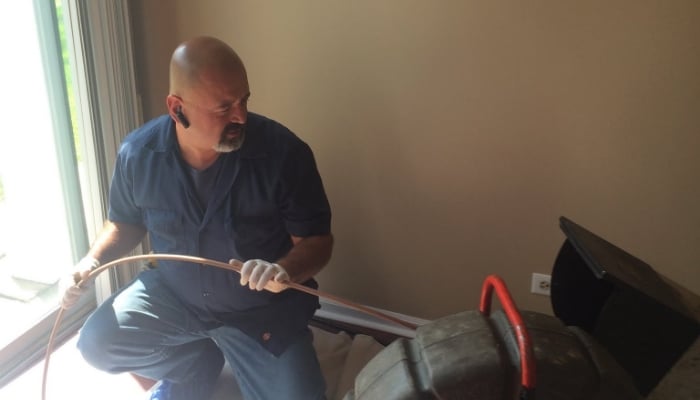
At Trenchless Innovations, our process starts with a full HD camera inspection of your underground ducts. We'll show you exactly what's inside — on video — and give you a written report outlining what we find and what we recommend. If your ducts need to be restored, our Duct Armor lining process seals the entire interior from the inside out, with no digging, no demolition, and no disruption to your home.
Most restorations take just two visits and are backed by a 15-year transferable warranty.
If you're in the Chicago area or Northwest Indiana and you're concerned about what might be getting into your underground air ducts, give us a call at 708-758-5070 or request a free inspection online.