
Why Homeowners Get Confused About Underground Duct Repair
If your home has underground ducts under a concrete slab, you might have come across terms like trenchless casting, duct lining, or encapsulation. People often use these terms as if they mean the same thing, but they are actually different processes.
Knowing the difference helps you make better choices if you notice musty smells, water problems, poor airflow, or damaged ducts under your slab.
What Is Trenchless Duct Casting?
Trenchless casting is a method for restoring the structure of your ducts.
In this process, a special lining is put inside the underground duct. When it hardens, it forms a new, strong wall inside your existing ductwork.
The purpose of casting is to:
- Restore structural strength
- Reinforce weakened or deteriorated ducts
- Seal cracks and joint separations
- Improve airflow efficiency
- Extend the lifespan of the duct system
Casting creates a tough inner layer without breaking up concrete or digging up the slab.
What Is Duct Encapsulation?
Duct encapsulation is about sealing and protecting the inside surface, not rebuilding the duct itself.
Encapsulation involves applying a protective coating to:
- Seal minor surface damage
- Prevent moisture intrusion
- Reduce dust infiltration
- Improve indoor air quality
- Protect against future deterioration
Encapsulation is usually chosen when the duct is still in good condition but needs protection from groundwater or soil moisture.
The Key Difference: Strength vs Protection
Here’s an easy way to tell them apart:
- Casting restores structural strength.
- Encapsulation seals and protects the inside surface.
Casting is about rebuilding integrity.
Encapsulation is about preservation and moisture control.
When Are Both Methods Used Together?
In many underground duct repairs, both trenchless casting and encapsulation are used together to get the best long-term results.
A project may involve:
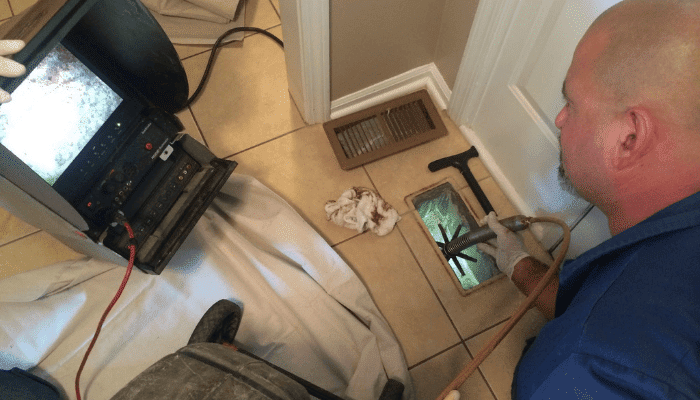
- Inspecting the duct system with a camera
- Repairing structural deterioration with casting
- Applying encapsulation to seal and protect the newly restored interior
Using both methods helps ensure your ducts are strong and protected from future water or soil damage.
How Do You Know Which Solution Your Home Needs?
The best way to know if you need casting, encapsulation, or both is to have a professional inspect your underground ducts.
A camera inspection can identify:
- Cracks or separations
- Collapsed sections
- Standing water
- Corrosion
- Surface deterioration
After that, you can get a custom repair plan without tearing up your floors.
Protecting Your Home Without Digging Up Your Slab
Underground duct issues often start quietly, with small signs like musty odors or extra dust. Fixing them early with the right repair method can help your air quality, system performance, and long-term durability. If ductwork may be deteriorating, the team at Trenchless Innovations can evaluate your system and recommend the right solution.
Call 708-758-5070 or visit our contact page to schedule an inspection.